
Acupuncture
The Sacred Pause: Surrender to Certainty
 Photo by Darius Bashar on Unsplash
This week we pause.
25 years ago, September 11 was a sunny Tuesday with a brilliant blue sky. It seemed a day like many others: a return to school, a return to work after the Labor Day weekend, a certainty to the air, the schedule, the path to the season of Autumn. But on that day certainty broke, publicly and completely — the ground everyone stood on, the buildings people worked in, gone in real time. But what came after is where our theme gets its proof: the certainty that did show up that day wasn’t about answers to the questions, and it surely wasn’t shelter from the storm. It was people. continue reading
A Quiet Turning Point: Healing the Gut from Within
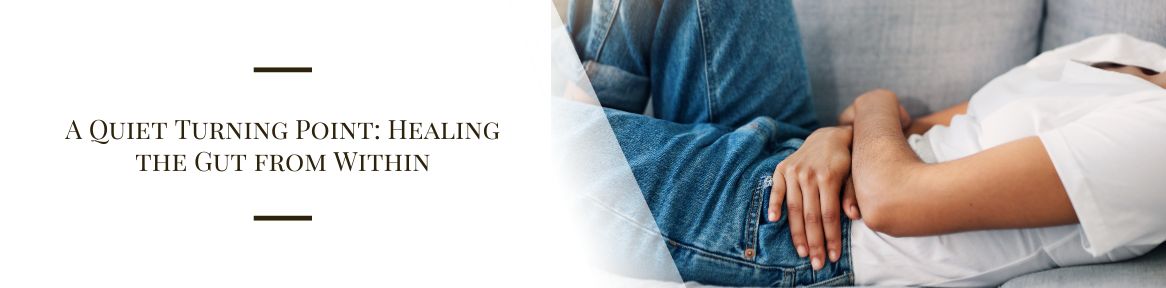
According to the IFFGD, the International Foundation for Gastrointestinal Disorders, approximately 5-10% of the world’s population has IBS, with most of those people under the age of 50. And like millions of people with gastrointestinal disorders, most have tried everything from elimination diets, medications, and probiotics, to stress management apps. One treatment many are surprised to discover is acupuncture and just how impactful it can be for gastrointestinal health. continue reading
Late Summer: The Gifts of The Fifth Season
Greetings to all my precious people!
There’s a particular quality to these first days of September — nothing dramatic yet, nothing you could point to and say there, that’s the change. Just a cooler edge to the morning air. A slant of light that wasn’t there last week. Somewhere overhead, geese are beginning to practice their formation, long before they actually need it.
We are standing at a threshold. And thresholds ask something of us that the wide-open seasons don’t: they ask us to trust a turning we cannot yet fully see. continue reading
Your Healing Was **Never** Just About You
Photo by Dana Sarsenbekova on Unsplash
“In the shelter of each other, the people live.”
(Ar scáth a chéile a mhaireann na daoine)
~~ Irish proverb
Greetings to all my precious people!!
Longtime readers will remember The C.O.A.C.H. Method I return to again and again — Curiosity, Optimism, Awareness, Courage, and Hope & Healing. (New here? Welcome. You’ve arrived right where you need to be.) Today I want to follow that path one step further than we usually go — past your own healing, to the quiet truth that so many of you have been sensing lately:
Your healing journey was never just about you. continue reading
How Acupuncture Is Helping People Navigate Autoimmune Disease
For those suffering from rheumatoid arthritis, mornings can be measured in minutes. How long before the stiffness eases? How long before gripping the coffee cup without pain is a reality? How long before feeling normal kicks in?
Even if you follow your rheumatologist’s treatment plan, take your medications, adjust your diet and pace your lifestyle, there are days when your body feels like it’s fighting a war you don’t fully understand. continue reading


